Introduction
What is Urban Sustainability?
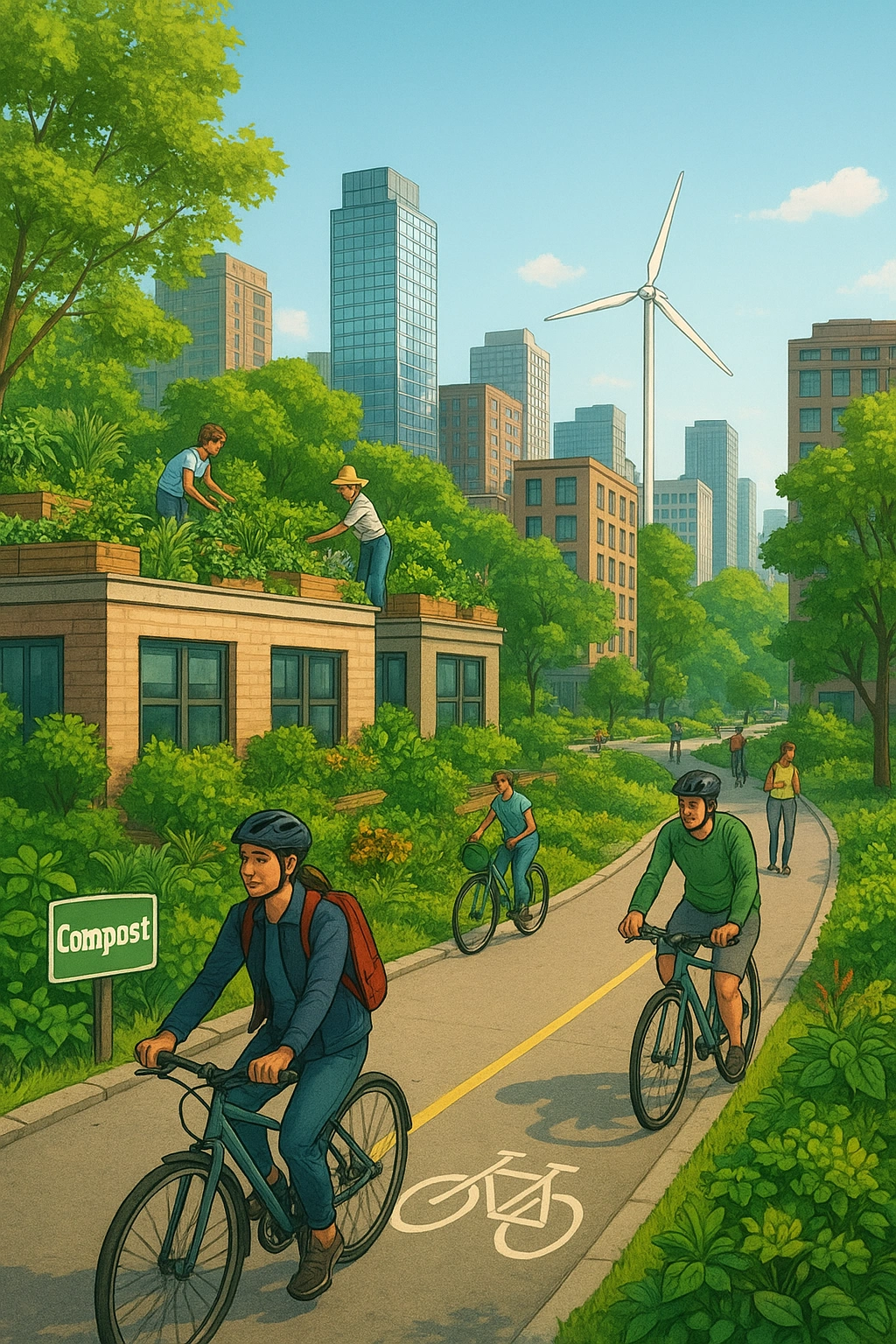
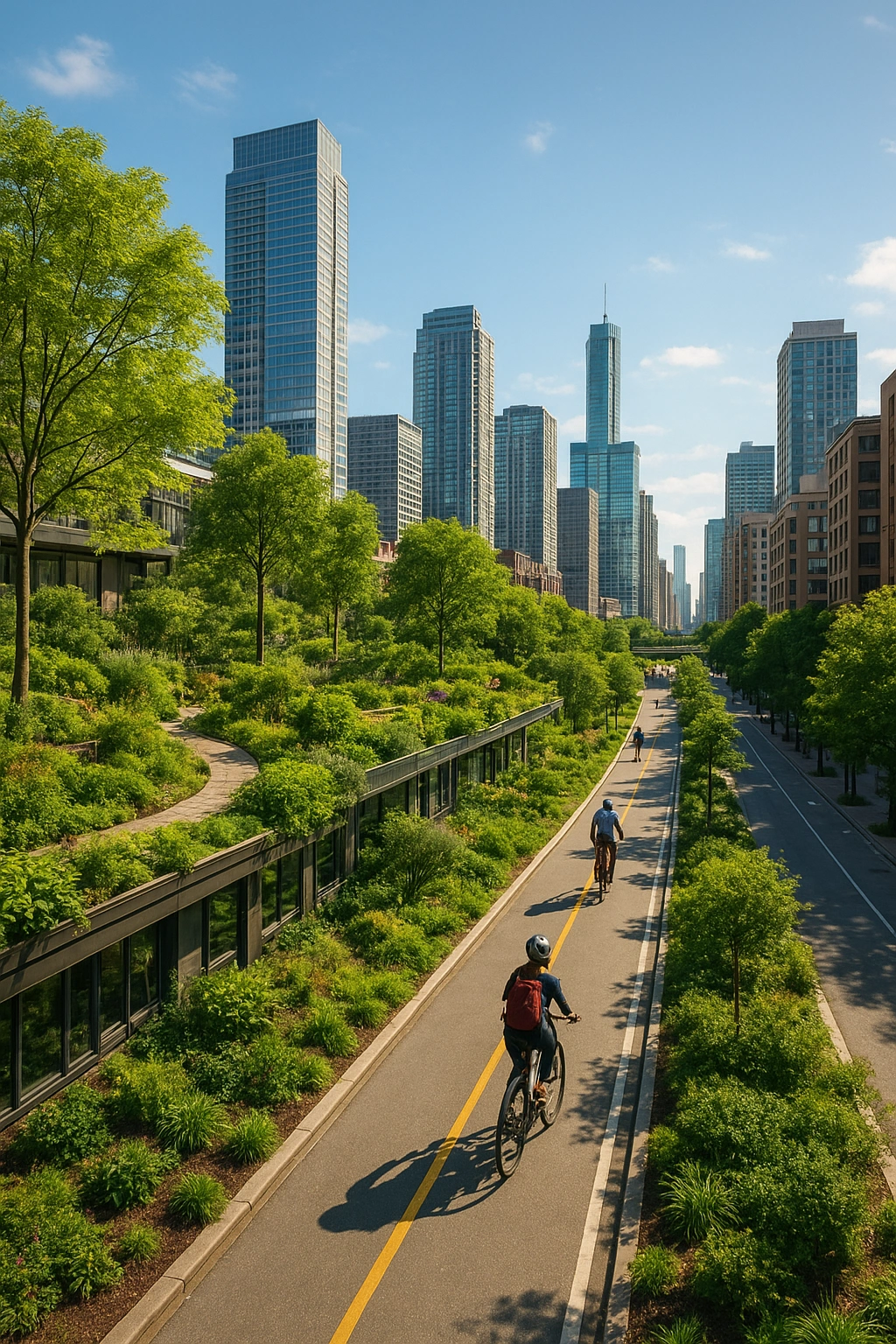
Urban sustainability is the practice of living and developing in cities in a way that meets the needs of the present without compromising the ability of future generations to meet their own. It’s about creating cities that are not just environmentally friendly, but also equitable, resilient, and livable for all their inhabitants. This goes beyond simple recycling; it’s a holistic approach that integrates green spaces, efficient public transport, responsible consumption, and strong community engagement.
As the world becomes increasingly urbanized—with the United Nations projecting that 68% of the global population will live in cities by 2050—the need for sustainable urban living has never been more critical. The future of our planet literally depends on our ability to transform our cities from centers of consumption into hubs of innovation and ecological balance. **Eco city living** is not just a trend; it’s the blueprint for the future.

Why It Matters: The Impact of a Single City Dweller
Lowering Your Carbon Footprint
Your daily decisions—how you commute, what you eat, how much energy you use—directly contribute to your personal carbon footprint. By choosing to bike instead of drive, eat more plant-based meals, and reduce your energy consumption, you are making a tangible contribution to lowering your city’s overall emissions.
Building a Healthier Environment for All
Supporting local green initiatives, like planting trees or participating in a community garden, has direct local benefits. It helps improve air quality, reduce the urban heat island effect, and create vital habitats for local wildlife. A greener choice for you often means a healthier environment for your neighbors.
Driving Market and Policy Change
When thousands of city dwellers start demanding plastic-free options, stores respond. When communities advocate for better bike lanes, governments listen. Your actions, as part of a larger movement, create the consumer and political will needed for systemic change. For more on how you can get involved, check out our resources at Beasiswa Prestasi.
The 5 Core Areas of Eco City Living
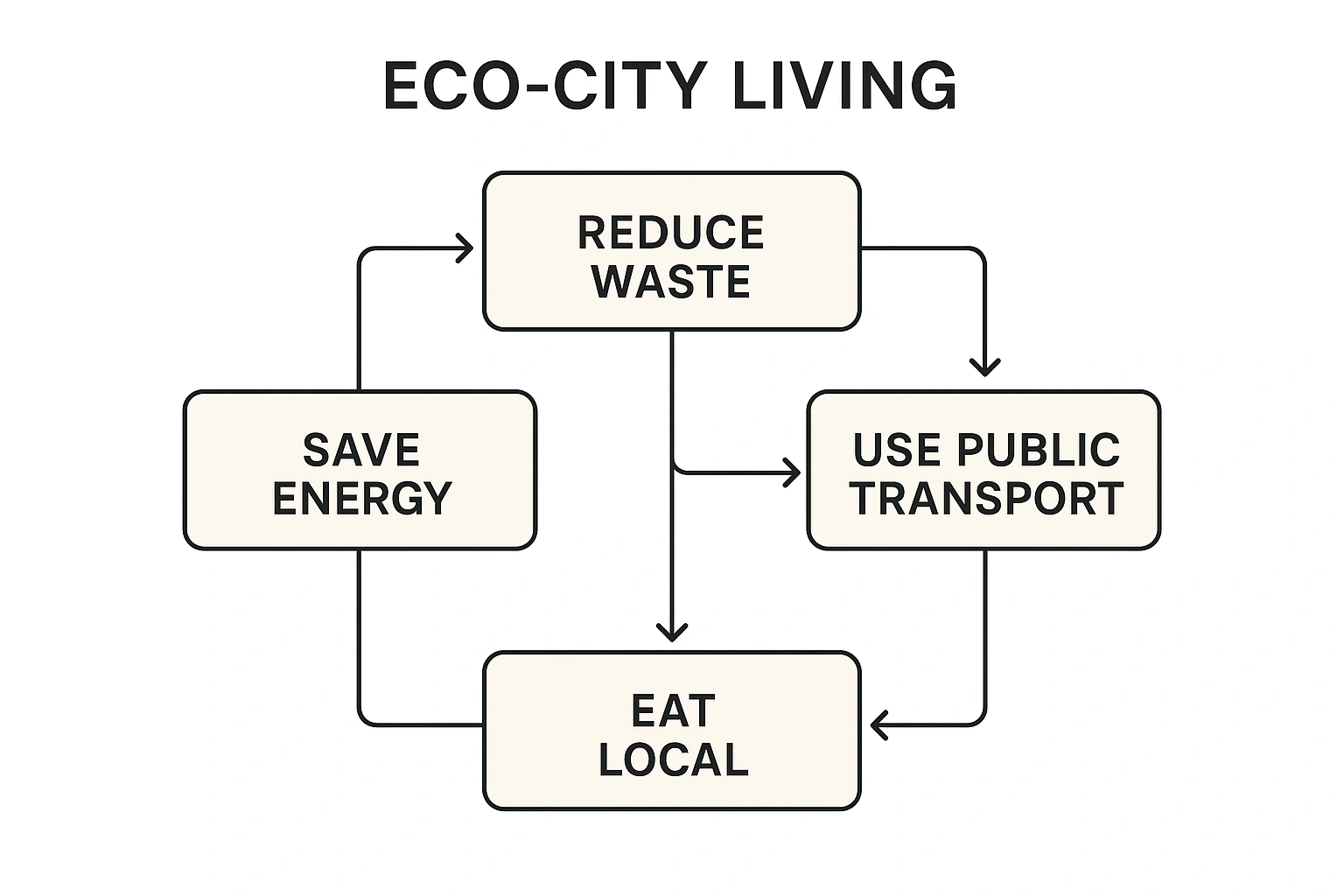
You can structure your efforts around these five high-impact areas:
- Mobility: Ditch the car whenever possible. Embrace walking, cycling, and public transportation. These choices reduce air pollution, traffic congestion, and your transportation costs.
- Consumption: Practice the 5 R’s: Refuse, Reduce, Reuse, Rot (compost), and Recycle. This means saying no to single-use items, buying less, repairing what you have, composting food scraps, and recycling properly.
- Food: Eat local and seasonal produce by shopping at farmers’ markets. Reduce your meat consumption, as plant-based diets have a significantly lower carbon footprint. Grow some of your own food, even if it’s just herbs on a windowsill.
- Home & Energy: Reduce your energy consumption by using LED lighting, unplugging electronics, and using energy-efficient appliances. Conserve water with shorter showers and by fixing leaks.
- Community: Get involved. Join a local cleanup, volunteer at a community garden, or support local businesses that have strong sustainability practices. A sustainable city is a connected city.
Comparison: Sustainable Commuting Options
Your daily commute is one of the biggest factors in your urban carbon footprint. Here’s how the options stack up.
| Option | Carbon Impact | Cost | Health Benefit |
|---|---|---|---|
| Walking/Cycling | Zero | Very Low | High |
| Public Transit (Train/Bus) | Low | Low | Medium |
| Electric Vehicle (EV) | Medium | High | Low |
| Gas-Powered Car | High | Very High | Low |
Real-Life Use Case: My Balcony Garden Experiment
Living in a high-rise apartment, I thought growing my own food was impossible. I started with a single pot of basil on my windowsill. The joy of snipping off fresh leaves for my pasta was addictive. This small success inspired me to expand. I invested in a few railing planters for my small balcony. Now, I grow all my own herbs (basil, mint, rosemary), cherry tomatoes, and lettuce. It’s not enough to feed my family, but it has dramatically reduced my grocery bill, eliminated countless plastic herb containers, and provided me with a priceless connection to my food. It’s my little green oasis in the middle of the city.
Common Mistakes to Avoid
- Eco-Anxiety and Burnout: Don’t try to change everything at once. This can lead to feeling overwhelmed and giving up. Pick one or two new habits a month and build slowly.
- “Wish-cycling”: Tossing something in the recycling bin hoping it’s recyclable is counterproductive. Take the time to learn your city’s specific recycling rules to avoid contaminating the waste stream.
- Ignoring “Invisible” Consumption: Your digital footprint matters too. Streaming high-definition video and cloud storage consume a massive amount of energy in data centers. Be mindful of your digital consumption.
- Buying New “Eco” Things You Don’t Need: The most sustainable choice is often not to buy anything at all. A fancy set of matching glass jars is lovely, but reusing the mismatched jars you already have is far more eco-friendly.
Expert Tips & Best Practices
“The future of sustainable cities lies in ‘hyperlocalism.’ It’s about shortening the distance between where things are made and where they are consumed. Supporting local farmers, makers, and businesses is one of the most powerful things a city dweller can do to build a resilient and sustainable local economy,” says an urban planner cited by Wired.
- Conduct a Home Energy Audit: Many utility companies offer free or low-cost home energy audits to help you identify drafts and other inefficiencies that are wasting energy and money.
- Join a “Buy Nothing” Group: These hyper-local community groups are a fantastic way to give away items you no longer need and get things you do need for free, fostering community and preventing items from going to landfill.
- Learn Basic Mending Skills: Learning to sew on a button or patch a hole in your jeans can dramatically extend the life of your clothes and save you a fortune.
- Advocate for Change: Write to your local representatives. Ask for better public transit, more bike lanes, and better composting facilities. Your voice as a resident is crucial.
FAQ Section
How can I be sustainable if I live in a small apartment with no outdoor space?
Living in a small apartment is actually a great start, as smaller homes use less energy! Focus on what you can control indoors. Practice waste reduction by buying in bulk and avoiding single-use plastics. Start a small indoor herb garden on a windowsill. Switch to energy-efficient LED light bulbs. Your consumption habits have a massive impact, regardless of your home’s size.
Is eco city living expensive?
It’s a common myth that it has to be. While some sustainable products have a higher upfront cost, the core principles of urban sustainability—consuming less, reducing waste, and using public transport—are incredibly budget-friendly. Mending clothes instead of buying new ones, cooking at home to reduce food waste, and borrowing from a library are all practices that save money and the planet.
What is the most impactful urban sustainability tip I can implement today?
Reducing food waste. Food production is incredibly resource-intensive, and a huge portion of it is thrown away. The most impactful thing you can do today is to conduct a ‘fridge audit.’ Use up the vegetables you have, freeze leftovers you won’t eat in time, and plan your meals for the next few days to ensure you only buy what you need. This saves money, water, and emissions.
How do I find community gardens or other green initiatives in my city?
A great place to start is your city’s official parks and recreation department website. Many cities have dedicated pages listing community gardens and their application processes. You can also search online for ‘[Your City] + community garden’ or ‘[Your City] + sustainability initiatives.’ Local social media groups dedicated to gardening or eco-living are also fantastic resources.
Can one person’s actions really make a difference in a huge city?
Absolutely. Individual actions create a powerful ripple effect. When you bring your own cup to a coffee shop, you normalize the behavior for others. When you support a local farmers’ market, you strengthen your local food system. These actions inspire others and create a collective demand for more sustainable options, which ultimately drives systemic change at the city level.
Conclusion: Be the Change in Your City
Living sustainably in a city is not about deprivation or perfection. By following urban sustainability tips, you can make daily choices that reduce waste, conserve energy, and support local resources. Simple actions guided by urban sustainability tips, like bringing your own reusable bag or choosing eco-friendly transportation, add up to a meaningful impact. Embracing urban sustainability tips helps you create a healthier home and neighborhood while staying practical and realistic. With these urban sustainability tips, your everyday routines become small, powerful steps toward a greener, more connected urban life.