
Introduction
Have you ever stopped to think about the journey your food takes before it reaches your plate? The story of our food is one of the most significant environmental stories of our time. Did you know that our global food system is responsible for up to one-third of all human-caused greenhouse gas emissions? That’s more than the entire transportation sector. The choices we make at the grocery store and in our kitchens have a profound, direct impact on the health of our planet. This guide is here to demystify the process and show you how simple it can be to make sustainable food choices. You’ll learn actionable eco diet tips that not only reduce your environmental footprint but also improve your health and connect you more deeply with the food you eat.
What Are Sustainable Food Choices?
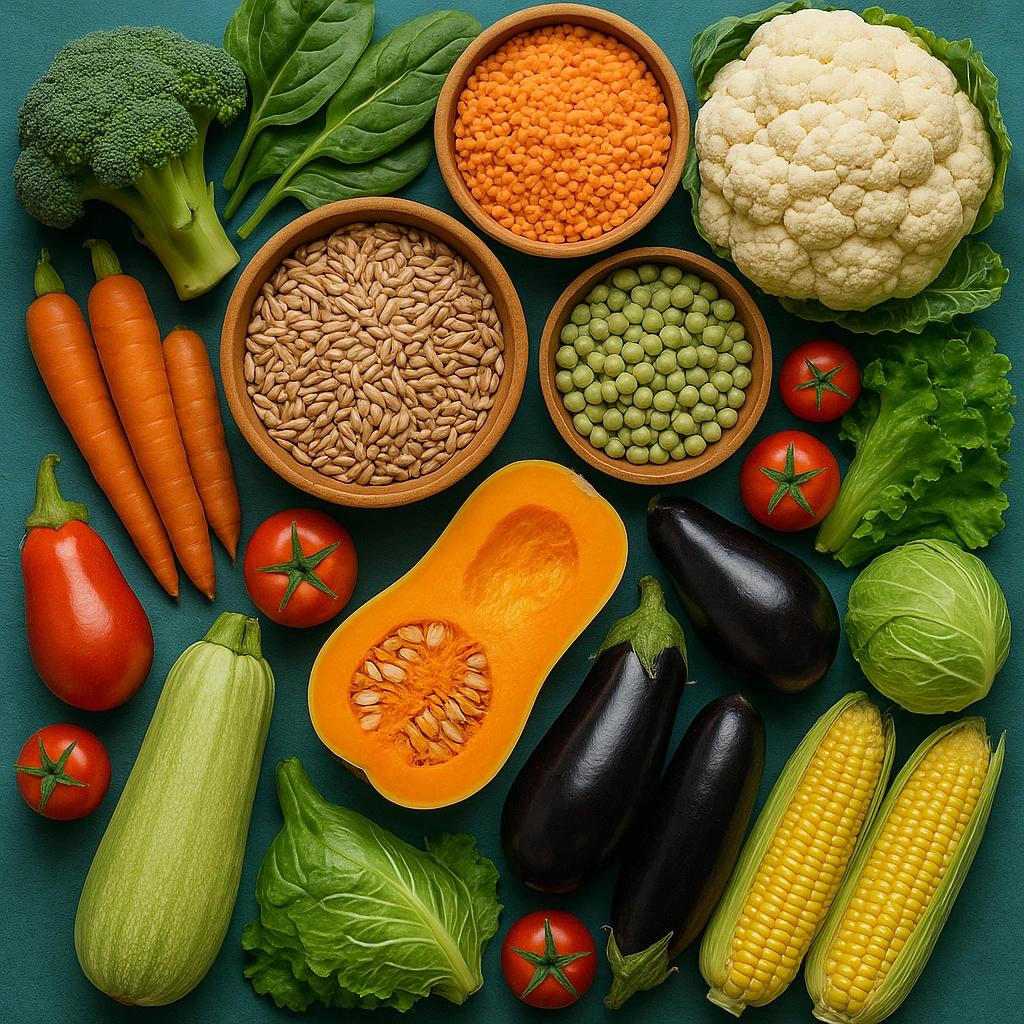
The Ripple Effect: Benefits of a Sustainable Diet
Reduce Your Carbon Footprint
This is one of the most significant benefits. By making conscious food choices, you can directly lower your personal contribution to climate change.
- Eat Less Red Meat: Livestock, especially cattle, produce large amounts of methane, a potent greenhouse gas. Reducing meat intake is a powerful climate action.
- Minimize Food Miles: Choosing locally grown food reduces the emissions associated with long-distance transportation, including planes, ships, and trucks.
- Avoid Food Waste: When food rots in a landfill, it releases methane. Eating what you buy ensures the resources used to produce it weren’t wasted.
Support Biodiversity and Healthy Ecosystems
Industrial agriculture often relies on monocultures and heavy pesticide use, which harms wildlife and depletes soil health. Sustainable practices do the opposite. Choosing organic produce supports farming methods that avoid synthetic chemicals, while opting for heirloom varieties helps preserve genetic diversity in our food supply. By supporting regenerative agriculture, you help build healthy soil that can store carbon and support thriving ecosystems. This approach to mindful living can extend to all areas, including planning for a sustainable career and education, where resources like scholarships can be part of a long-term plan.
Enhance Your Health and Nutrition
An eco-friendly diet is often a healthier diet by default. It emphasizes whole, minimally processed foods that are naturally rich in nutrients.
- More Plants: A diet rich in fruits, vegetables, nuts, and legumes is linked to lower risks of chronic diseases.
- Fewer Chemicals: Choosing organic reduces your exposure to pesticide residues.
- Fresher is Better: Local, seasonal food is often harvested at its peak ripeness, meaning it’s more nutrient-dense and flavorful than produce that has traveled for weeks.
Your Guide to Planet-Friendly Eating: Core Principles
1. Prioritize Plant-Based Foods
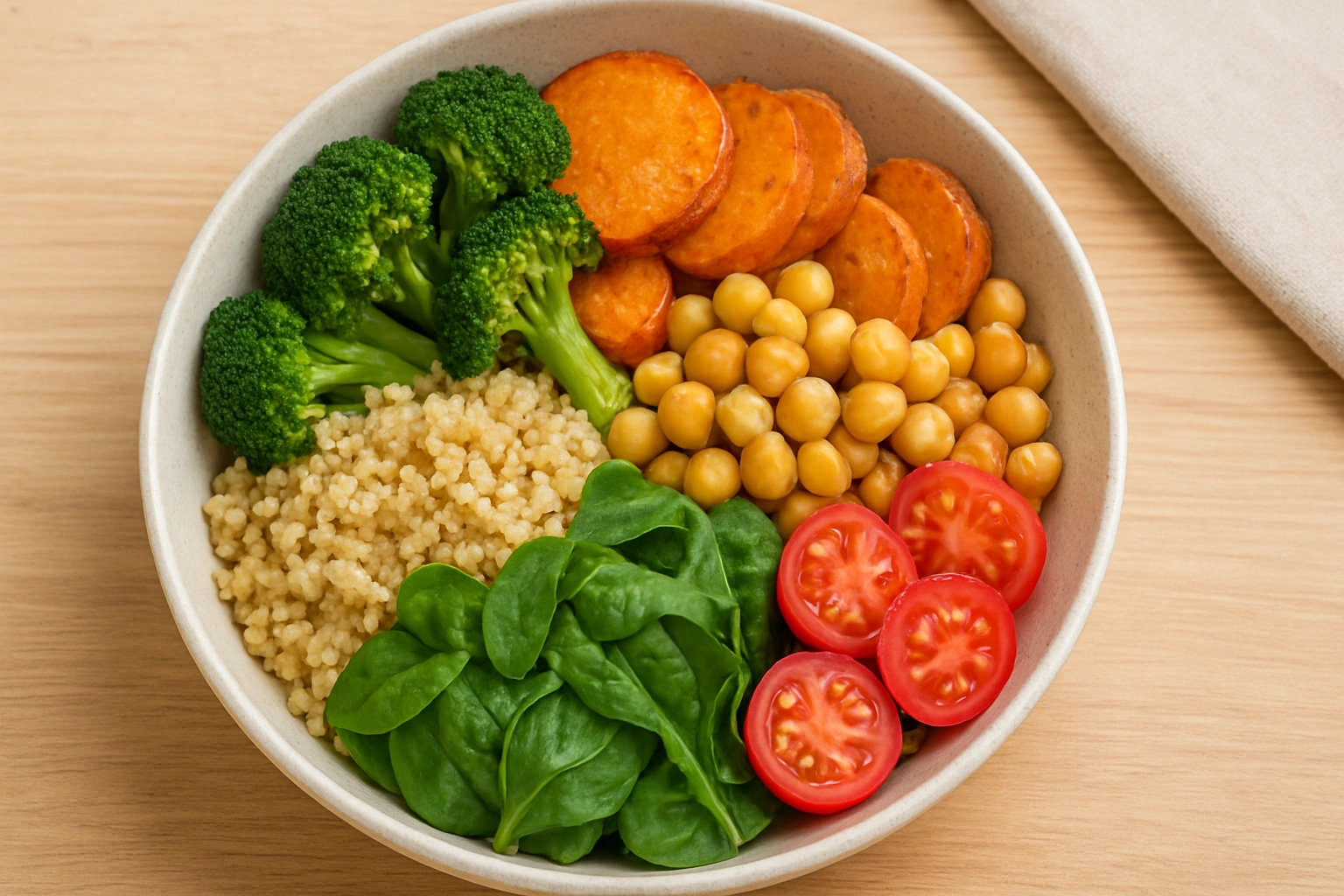
Make plants the star of your plate. This doesn’t mean you have to go vegan overnight. Simply start by increasing your intake of fruits, vegetables, whole grains, nuts, and seeds. The production of plant-based foods generally requires far less land, water, and energy than animal products. Start with a “Meatless Monday” and explore the thousands of delicious plant-forward recipes available online.
2. Eat Local and Seasonal
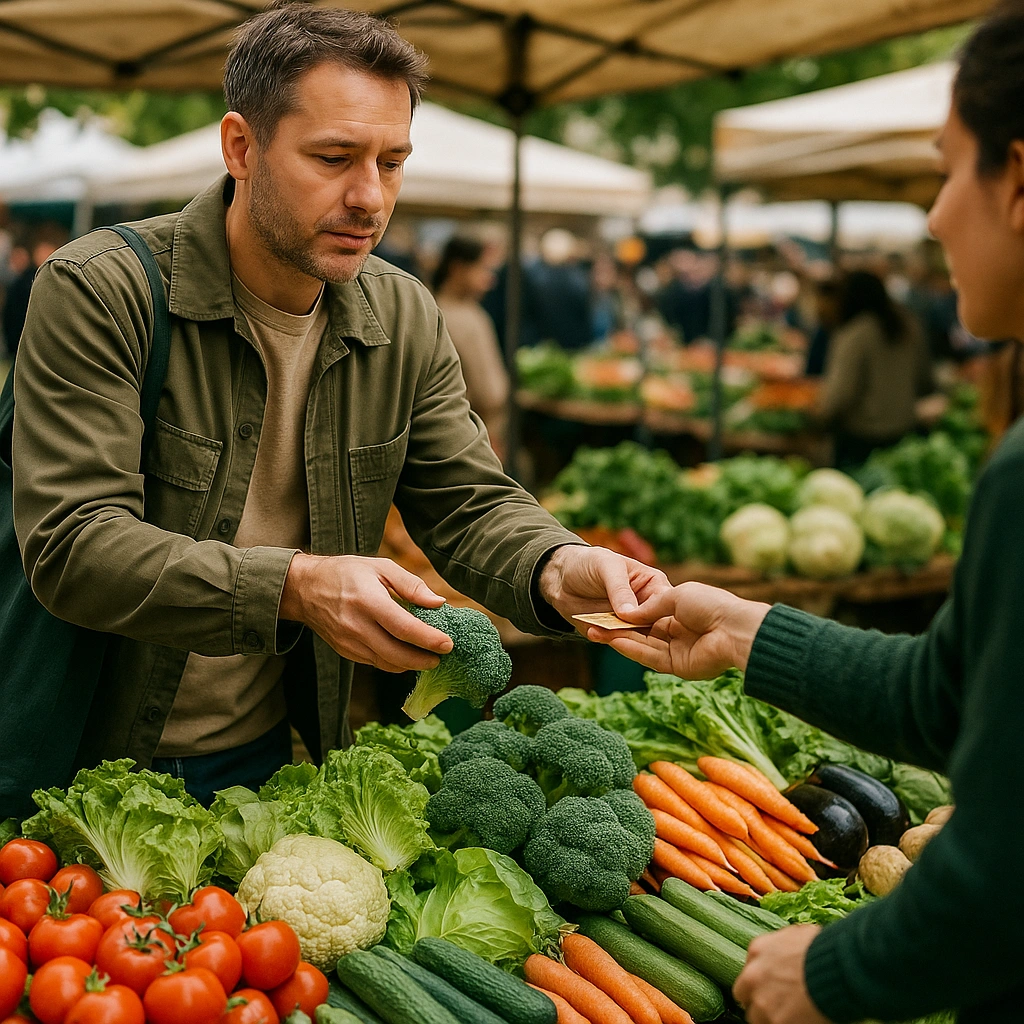
Visit your local farmers market or join a Community Supported Agriculture (CSA) program. Buying local supports your community’s economy and drastically reduces “food miles.” Eating seasonally ensures you’re getting the freshest, most flavorful produce that hasn’t been shipped from another hemisphere, requiring massive amounts of energy for transportation and storage.
3. Reduce Food Waste to Zero
This is a critical and often overlooked aspect of sustainable eating. Plan your meals, buy only what you need, and eat your leftovers. Get creative with food scraps—turn vegetable peels and ends into a flavorful broth, use stale bread for croutons or breadcrumbs, and revive wilted greens in ice water. Composting any remaining scraps returns valuable nutrients to the soil.
4. Choose Sustainable Seafood
If you eat seafood, be mindful of its source. Overfishing has decimated many fish populations. Use resources like the Monterey Bay Aquarium’s Seafood Watch guide to identify species that are fished or farmed in ways that have a lower environmental impact. Look for certifications like the Marine Stewardship Council (MSC) label on packaging.
Comparison: Informed Choices at the Grocery Store
The choices can feel overwhelming. This table breaks down common decisions to help you choose the more sustainable option.
| Food Category | Conventional Choice | Sustainable Alternative | Primary Benefit |
|---|---|---|---|
| Protein | Beef or Lamb | Lentils, Beans, Tofu, or Chicken | Massive reduction in greenhouse gas emissions. |
| Vegetables | Out-of-season asparagus from Peru | In-season asparagus from a local farm | Reduces food miles and supports local economy. |
| Coffee | Standard, large-brand coffee | Fair Trade & Shade-Grown certified coffee | Protects forests and ensures fair wages for farmers. |
| Snacks | Individually plastic-wrapped granola bars | Homemade granola or nuts from the bulk bin | Eliminates single-use plastic packaging. |
Common Pitfalls on the Path to an Eco-Diet
- Falling for “Greenwashing”: Be wary of vague terms like “natural” or “eco-friendly” on packaging. Look for specific, third-party certifications like USDA Organic, Fair Trade, or Non-GMO Project Verified.
- Aiming for Perfection: Don’t let the perfect be the enemy of the good. You don’t have to overhaul your entire diet overnight. Start with one or two changes that feel manageable and build from there. Progress, not perfection, is the goal.
- Forgetting About Packaging: A sustainable food choice can be undermined by excessive plastic packaging. Opt for loose produce, buy from bulk bins using your own containers, and choose products in glass or cardboard over plastic.
- Ignoring Food Waste: Buying all the right things doesn’t help if you end up throwing half of it away. Tackling food waste is just as important as your purchasing decisions.
Expert Tips & Best Practices
“The most powerful thing a consumer can do is become more connected to their food,” says Dr. Elena Ramirez, a nutritionist and sustainability advocate. “Visit a farmers market and talk to the person who grew your carrots. Try growing a pot of herbs on your windowsill. When you understand the effort, resources, and care that go into producing food, you naturally become a more conscious and sustainable eater. It stops being a chore and starts being a joyful relationship.”
FAQ Section
What is the single most impactful sustainable food choice I can make?
Reducing your consumption of red meat, particularly beef and lamb, is widely considered the single most effective change you can make. The livestock sector is a massive contributor to greenhouse gas emissions, land use, and water consumption. You don’t have to go fully vegetarian; even starting with ‘Meatless Mondays’ makes a significant difference.
Is ‘organic’ always the most sustainable option?
Not necessarily. While organic farming has clear benefits for soil health and biodiversity by avoiding synthetic pesticides, sustainability is more complex. For example, an organic product air-freighted from across the world may have a higher carbon footprint than a non-organic, locally grown product. It’s best to look for food that is both local and organic whenever possible.
How can I make sustainable food choices on a tight budget?
Sustainable eating can be very budget-friendly. Focus on reducing food waste, eating more plant-based proteins like beans and lentils (which are very cheap), buying seasonal produce from local markets (often cheaper than supermarkets), and cooking from scratch. These eco diet tips often lead to significant savings on your grocery bill.
What does ‘eating seasonally’ really mean and why does it matter?
Eating seasonally means choosing fruits and vegetables that are naturally harvested in your region at the current time of year. It matters because seasonal food requires less energy for artificial lighting, heating in greenhouses, and long-distance transportation. It also tastes fresher, is more nutritious, and supports your local farming economy.
Are fish and seafood sustainable choices?
It depends heavily on the species and fishing method. Overfishing is a critical environmental issue. To make a sustainable choice, look for certifications like the Marine Stewardship Council (MSC) blue tick label. Resources like the Monterey Bay Aquarium’s Seafood Watch guide can help you choose fish that are abundant and caught in environmentally friendly ways.
Conclusion